
History of NALSAR

Established on 5th July 1998 under the Andhra Pradesh Act 34 of 1998, NALSAR University of Law is a leading institution in India.
 With a vision to empower young minds through a humanistic approach and knowledge-based interventions, it focuses on constitutionalism, rule of law, and social justice for marginalized communities.

The Founding Society and Leadership (1995-1997)

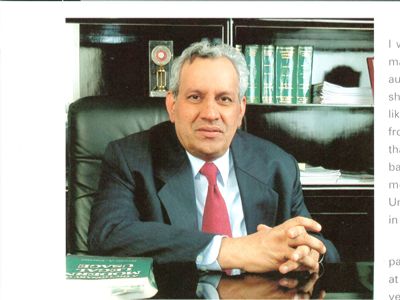
The initial efforts to give birth to NALSAR began in the mid-1990s under the leadership of Justice Prabha Shankar Mishra, who served as Chief Justice of the Andhra Pradesh High Court from 1995 to 1997. To translate the idea of establishing a premier law university in Hyderabad the National Society for Promotion and Advancement of Legal Studies and Research was floated by a consortium of eminent jurists, including Justice Prabha Shankar Mishra, then Chief Justice of Andhra Pradesh, Justice M. N. Rao, Justice Syed Shah Mohamed Quadri, Justice Y. Bhasker Rao, Justice S. Parvatha Rao, Justice Venkatarama Reddi, and Dr. M. S. Rajajee. Professor B. S. Murthy, a renowned educator and scholar of international law, was designated Director by the NALSAR Society.

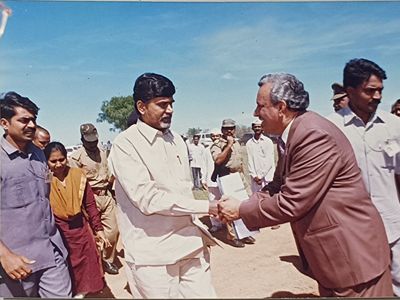
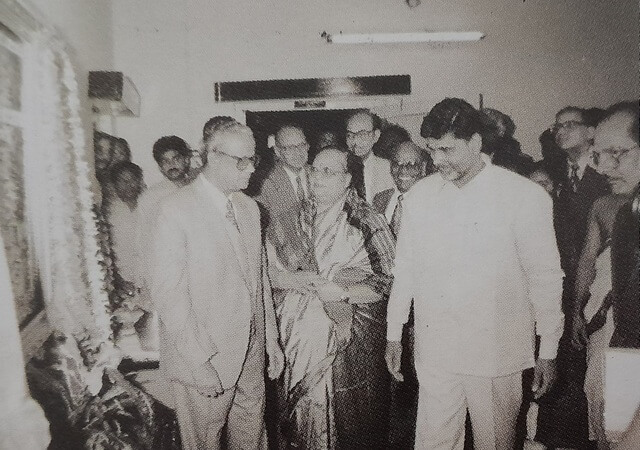
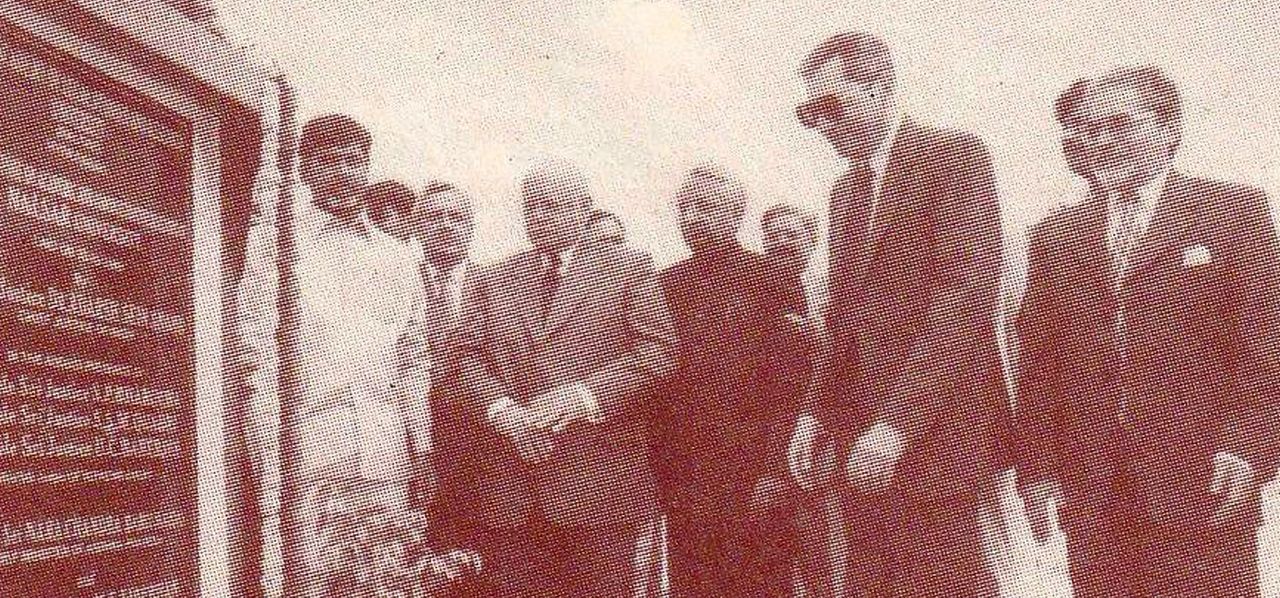
(Hon’ble Mr.Justice A.M.Ahmadi and Hon’bale Mr.Justice Prabha Shankar Mishra at the foundation stone laying ceremony of the National Society for Promotion and Advancement of Legal Studies and Research at Shameerpet in September 1996 )

(Hon’ble Mr.Justice A.M.Ahmadi and Hon’bale Mr.Justice Prabha Shankar Mishra at the foundation stone laying ceremony of the National Society for Promotion and Advancement of Legal Studies and Research at Shameerpet in September 1996 )

The Legislative Path (1997-1998)

The society was the trailblazer of NALSAR’s vision and mission. Justice Umesh Chandra Banerjee, saw the project to fruition when he assumed office as Chief Justice of the Andhra Pradesh High Court on February 1, 1998.

Justice Banerjee along with N. V. Ramana, the then Additional Advocate General of Andhra Pradesh (later chief justice of India ) consolidated all previous correspondence and advocacy efforts and realised that the parliamentary route was both more complex and time consuming. Consequently, they abandoned the parliamentary route and adopted the more pragmatic path of establishing the University through the Andhra Pradesh State Legislature. It was, thus, the M N Rao christened NALSAR- the National Academy of Legal Studies and Research came into being through the National Academy of Legal Studies and Research University Act, 1998 (Act No. 34 of 1998).

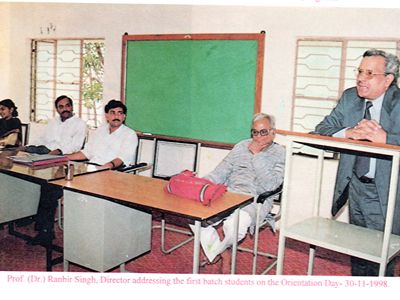
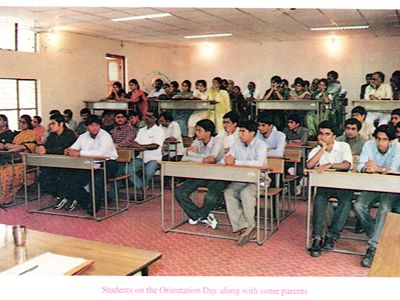
The Act, came into force from June 15, 1998. Professor Ranbir Singh assumed office as the founding Director, who demonstrated exemplary urgency and commitment, a quality that would characterise his tenure, moved with remarkable speed, to conduct NALSAR’s first entrance examination in November 1998. Classes for the inaugural batch of the B.A., LL.B. (Hons.) programme commenced in December 1998 at the temporary premises of the University in Barkatpura, Hyderabad.

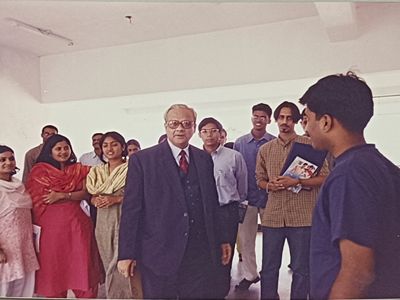
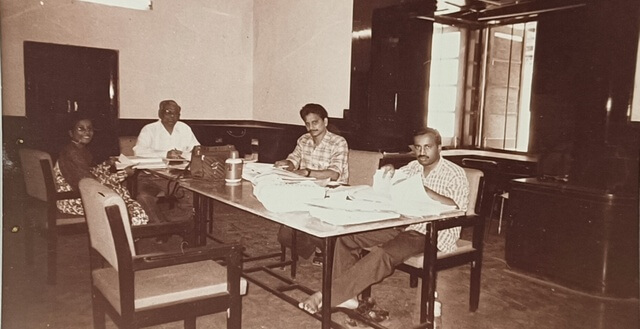
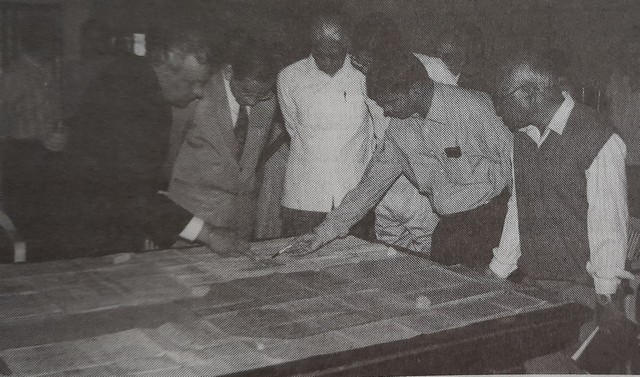
Hon'ble Mr. Justice U.C. Banerjee, the Founder-President of the University releasing the Course Material on the day of Inauguration of First Academic Session of the University (1998-99) on 1-12-1998. Others are Prof. (Dr.) Ranbir Singh, Director and Mr. Y.V. Rama Krishna, Registrar

Hon'ble Mr. Justice U.C. Banerjee, the Founder-President of the University releasing the Course Material on the day of Inauguration of First Academic Session of the University (1998-99) on 1-12-1998. Others are Prof. (Dr.) Ranbir Singh, Director and Mr. Y.V. Rama Krishna, Registrar

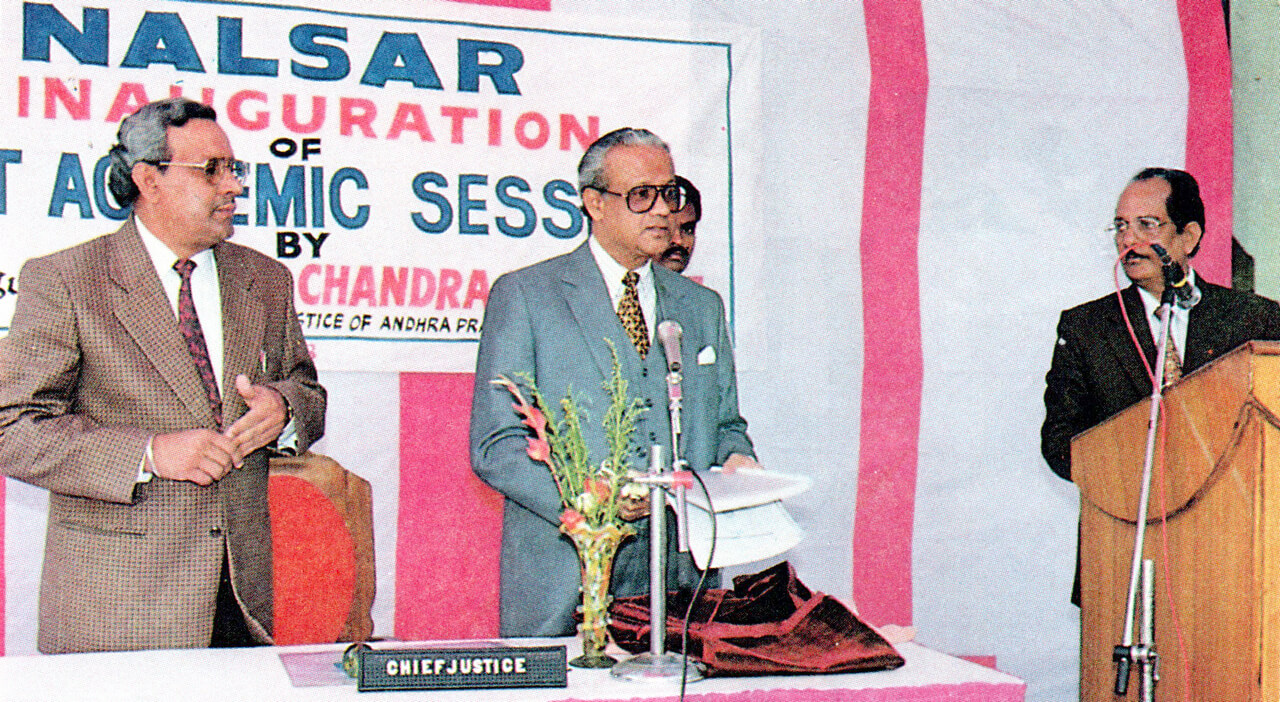
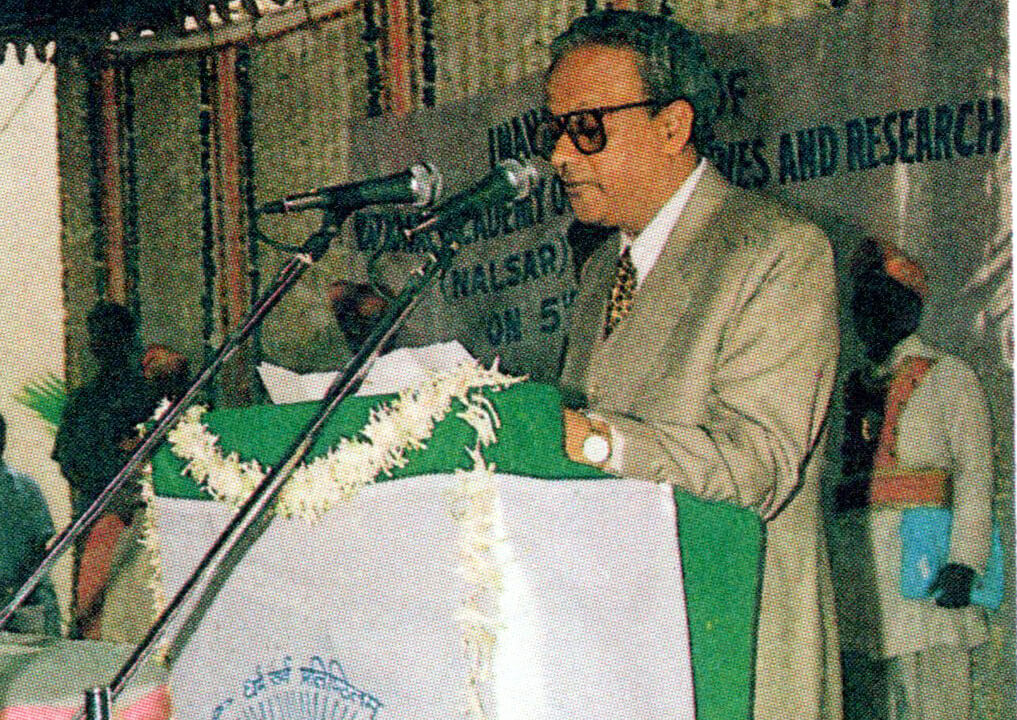
Hon'ble Mr. Justice U.C. Banerjee, the Founder-President of the University inaugurating the University on 5th July 1998

A University with a Distinctive Mission

From its initiation, NALSAR was committed to a vision rooted in constitutionalism, the rule of law, and justice, with particular emphasis on social justice needs of marginalised communities. This claim was not rhetorical. These values informed every decision of the University be it : admissions; curriculum design or campus development. The willingness to experiment and the humility to learn has been central to NALSAR’s developmental approach. For the university institutional growth has always meant continuous innovation, not rigid adherence to inherited models.

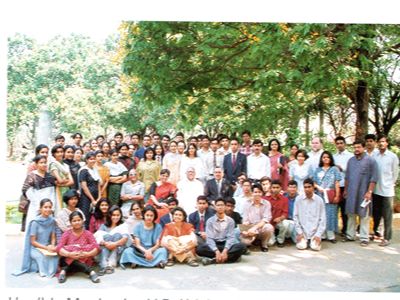
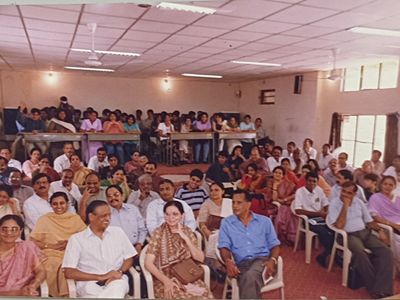
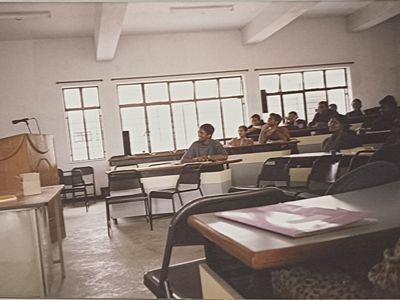
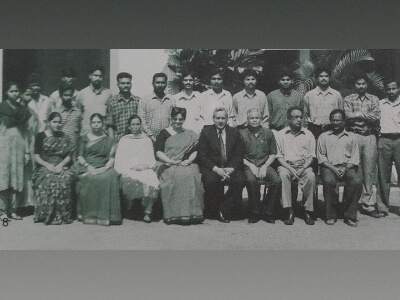
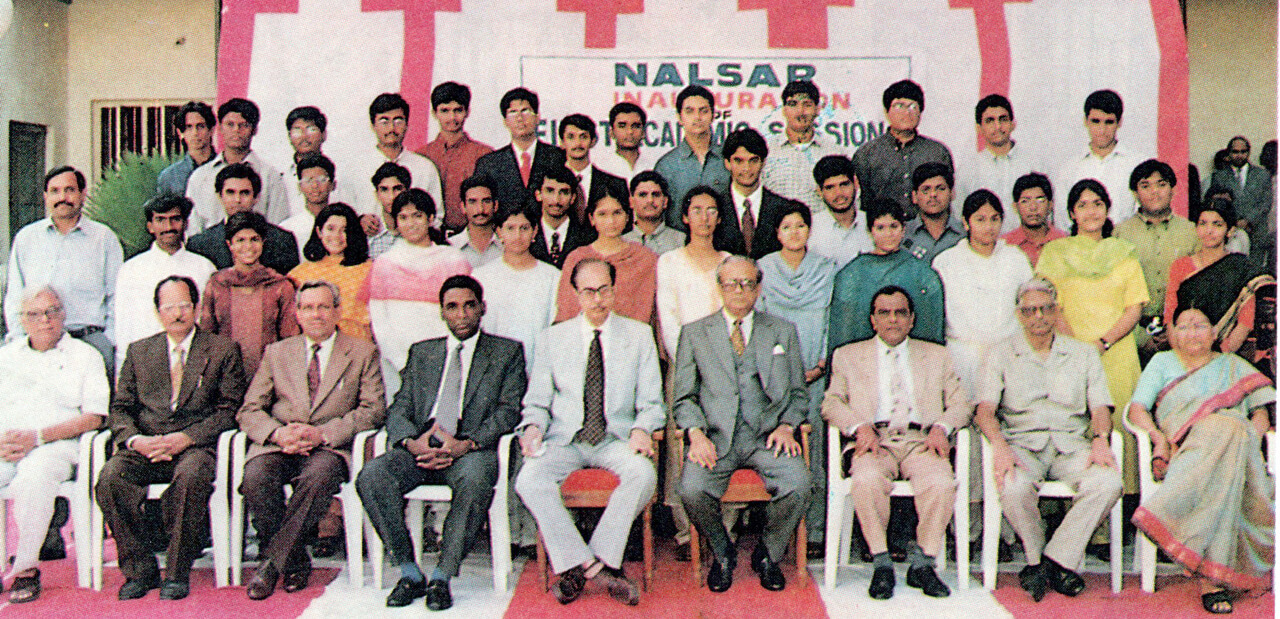
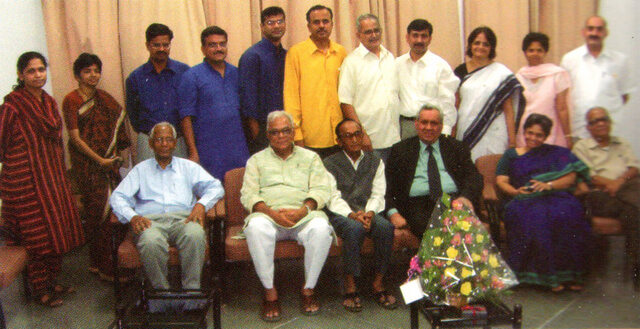
The First batch of students (1998-99) along with the then Hon'ble Chief Justice of A.P., Hon'ble Justices of the A.P. High Court, Director, Registrar and Faculty Members.

The First batch of students (1998-99) along with the then Hon'ble Chief Justice of A.P., Hon'ble Justices of the A.P. High Court, Director, Registrar and Faculty Members.

Faculty, Leadership, and Institutional Strength

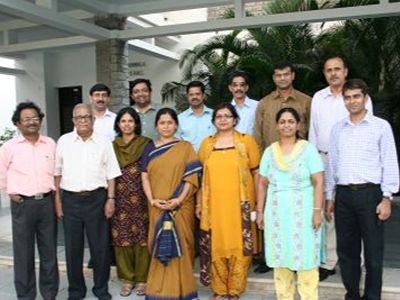
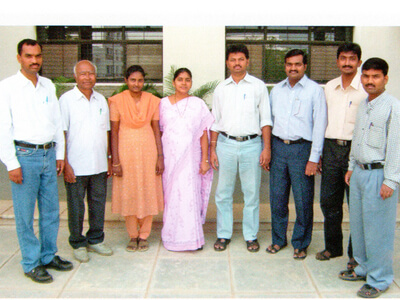
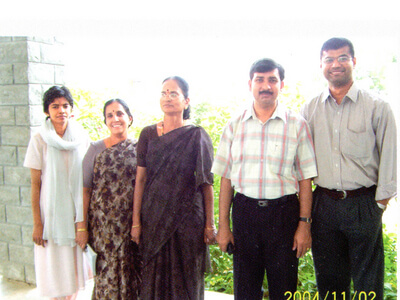
What sustains a university is not its buildings, but its people. NALSAR’s faculty and administration have been central to every achievement of the university. Over the years, the University has attracted teachers and professionals from diverse disciplines, not just from law, but the social sciences, humanities and more recently management. All scholars united by deep institutional commitment and intellectual rigor.

The University’s founding Director and Vice-Chancellor, Professor Ranbir Singh, laid the intellectual and institutional foundations of NALSAR with remarkable foresight and dedication. These foundations were further strengthened by Professor Veer Singh during his tenure. In 2012, under Professor Faizan Mustafa’s dynamic leadership, NALSAR introduced the credit-based elective system, which was a transformative innovation that gave students greater curricular flexibility while maintaining academic rigour. In November 2022, Professor Srikrishna Deva Rao took over as Vice-Chancellor. His arrival signifies a meaningful full circle. Professor Rao was among NALSAR’s founding faculty, his return after leading several law schools in the country marks both continuity and change.

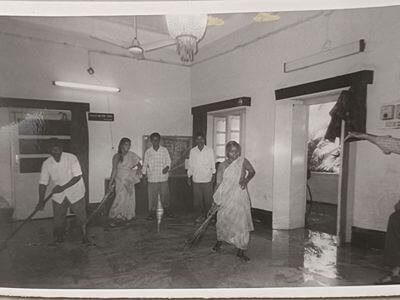
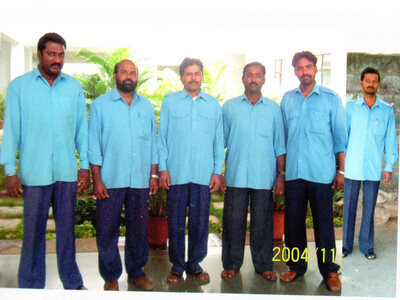
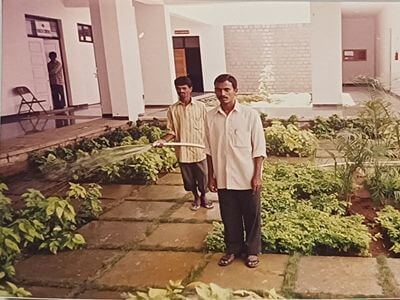
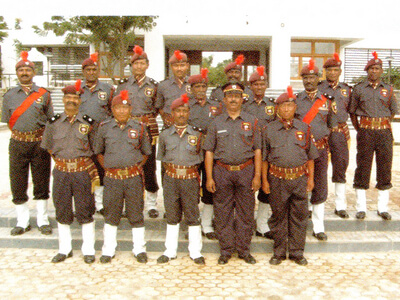
If the Vice-Chancellors envisioned and blueprinted the future of the University, it was the dedication and commitment of the faculty and administrative staff that ensured effective execution and implementation of that plan. The support staff and housekeeping team who ensured the campus remained clean, safe, and hospitable an environment which enabled the optimum contribution from all.

Creating a Campus: From Barkatpura to Shamirpet

NALSAR’s growth required physical space to match its ambitions. Initially, the University operated from a dedicated building in Barkatpura, with in-house hostel facilities for women students, a library, reading rooms, dining facilities, and an on-site kitchen. These were modest beginnings, but they met the immediate needs of the young institution.

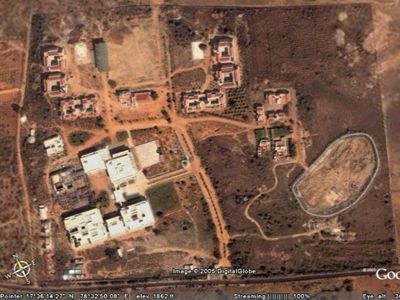
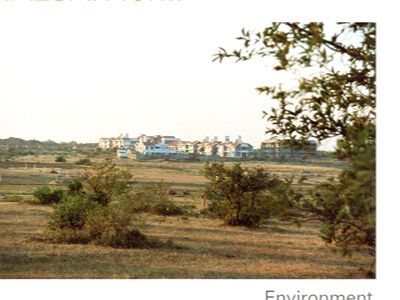
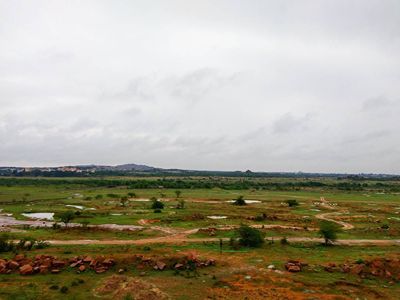
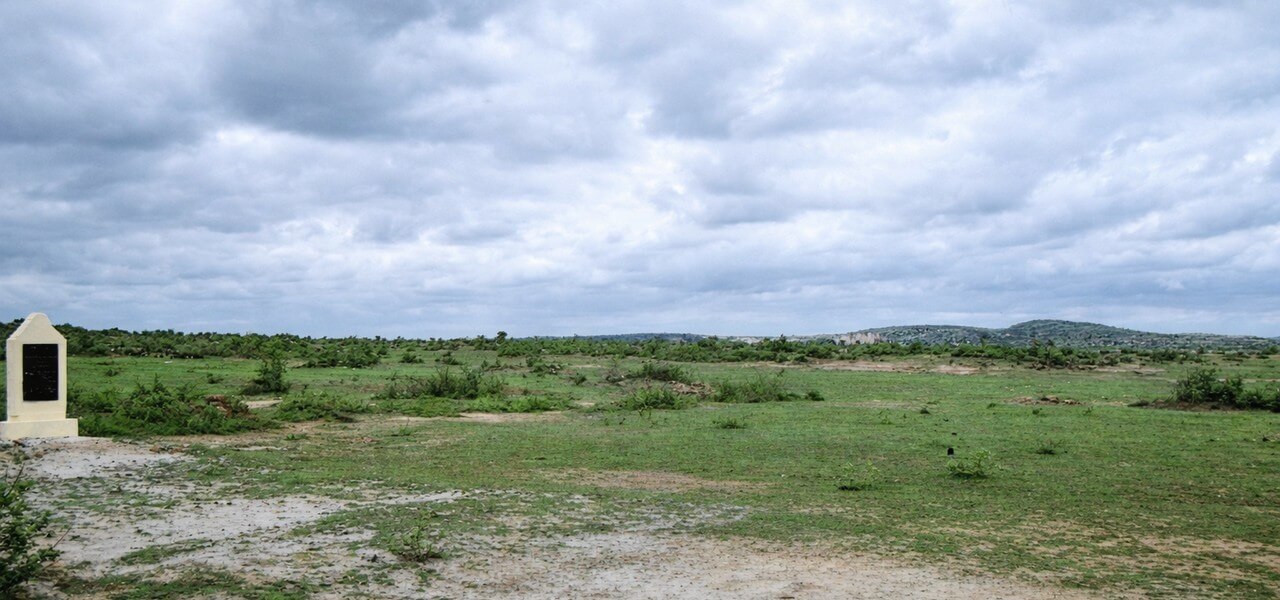
In 1999, the Andhra Pradesh government allocated 50 acres at Shamirpet for NALSAR’s permanent home. The architectural vision for NALSAR’s permanent campus was shaped significantly by Justice S. Parvatha Rao, along with Justice P. V. Reddi and Justice Umesh Chandra Banerjee and a dedicated team of professional architects. The University is especially grateful to Prof. Anand the architectural advisor who ensured that the buildings never dwarfed the people inhabiting them.

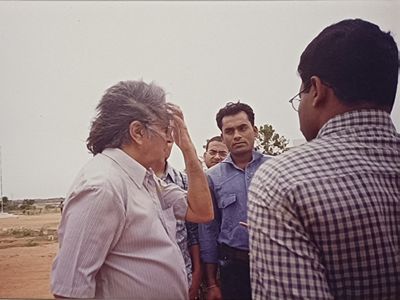
The Bhoomi pooja ceremony for the permanent campus at the ‘Justice City’ in Shamirpet took place in October 1999. The architects and planning teams were commissioned to design not just the buildings but a campus environment that would support academic excellence and a meaningful residential community life.

The Bhoomi pooja ceremony for the permanent campus at the ‘Justice City’ in Shamirpet took place in October 1999. The architects and planning teams were commissioned to design not just the buildings but a campus environment that would support academic excellence and a meaningful residential community life.

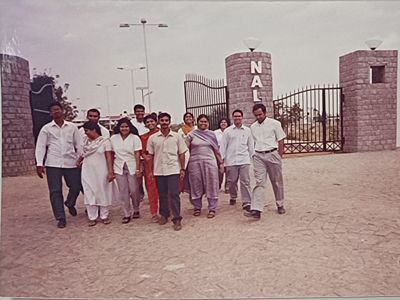
Foundation stone of Academic & Administrative building of NALSAR, University of Law laid by Hon'ble Justice Dr. Adarsh Sein Anand, Chief Justice of India, on 10th of Oct. 1999.

Foundation stone of Academic & Administrative building of NALSAR, University of Law laid by Hon'ble Justice Dr. Adarsh Sein Anand, Chief Justice of India, on 10th of Oct. 1999.

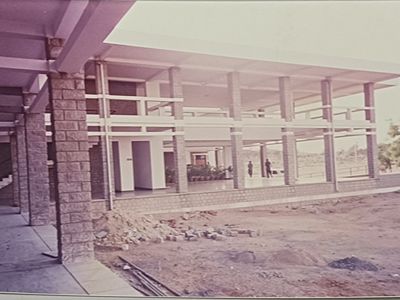
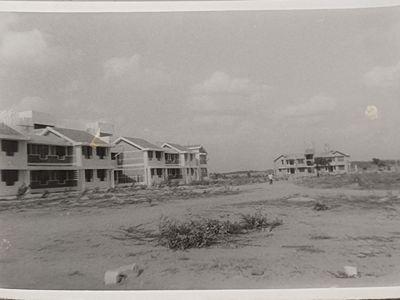
A University in the making

A University in the making

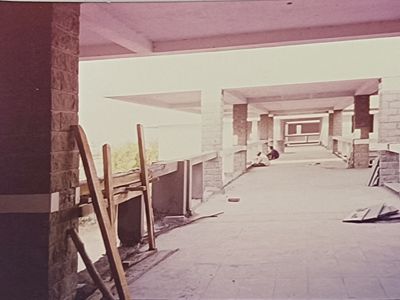
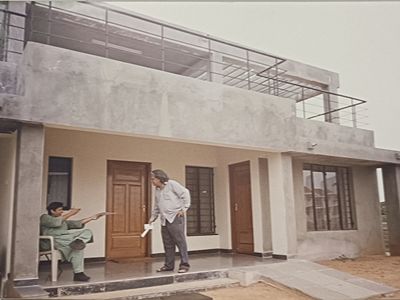
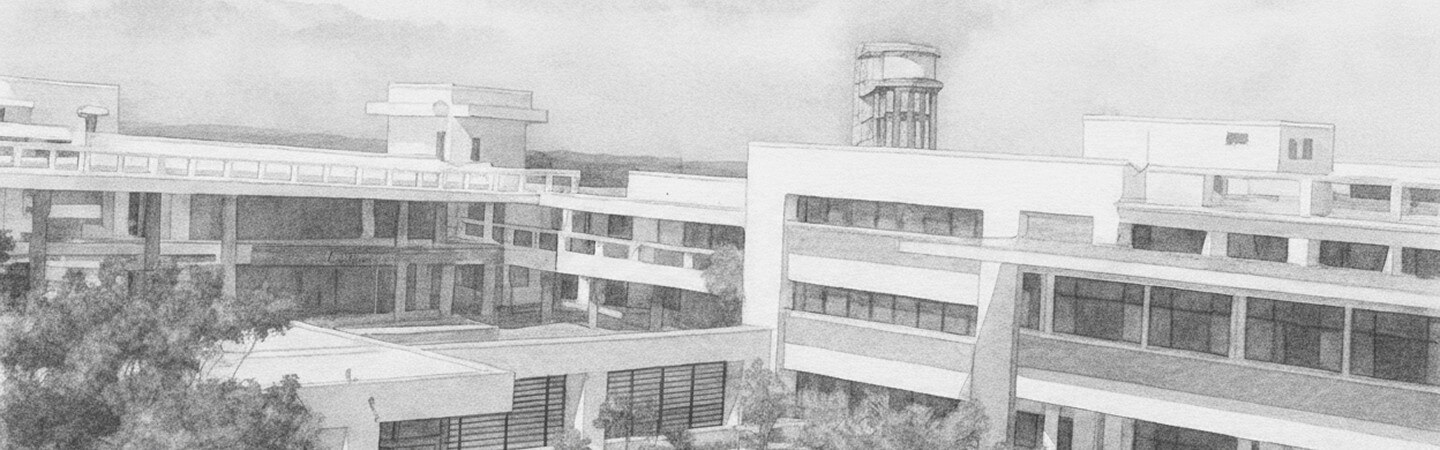
By mid-July 2000, just over a year after the groundbreaking ceremony, NALSAR relocated to Shamirpet with its faculty, staff, and the first three batches of student. The Administrative Block, the Dining Hall, the Residential Halls, the Faculty and Staff Quarters, the Guest House, and the Director’s Residence were completed within 24 months in the first phase of construction.
Since then, the campus has systematically evolved  to include new hostels, expanded dining facilities, an auditorium, and smart classrooms. Every change was executed to respond to the growing pedagogical and residential needs of the University
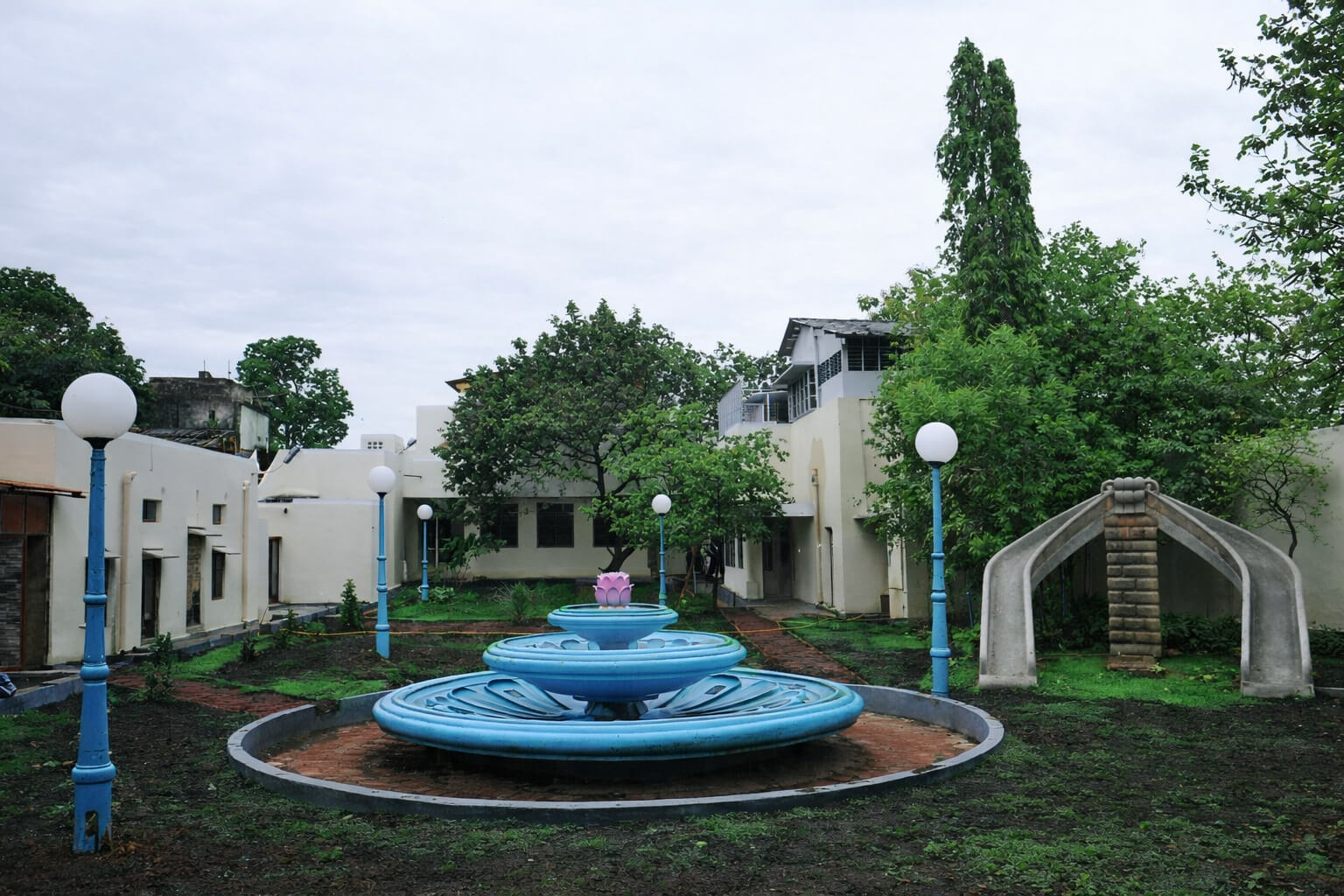
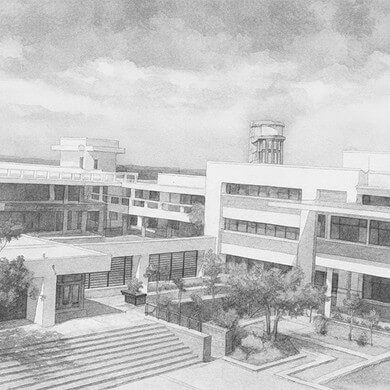
Today, NALSAR University is housed in a lush, green campus which provides the perfect setting for a learning institution that demands intellectual agility from all its members; whilst promoting healthy  bodies and innovative minds.